Tooth sensitivity is a common dental concern affecting millions of people worldwide. Whether it’s a sharp sting from a sip of cold water or a dull ache after eating something sweet, sensitive teeth can disrupt your daily life and prevent you from enjoying the foods and drinks your love. But what causes tooth sensitivity, and more importantly, how can you find effective tooth sensitivity relief?
In this comprehensive guide, we’ll explore the common causes of tooth sensitivity and provide effective tips and treatments to ease the discomfort and protect your oral health.
What is Tooth Sensitivity?
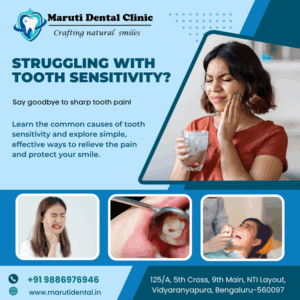
Tooth sensitivity, also known as dentin hypersensitivity, is a sharp, temporary pain or discomfort in one or more teeth. It typically occurs when the underlying layer of your teeth, called dentin, becomes exposed due to enamel wear or gum recession.
The dentin contains tiny tubules that lead directly to the tooth’s nerve center. When exposed to heat, cold, sweet, acidic, or even touch, these tubules allow stimuli to reach the nerves, causing pain or discomfort.
Common Symptoms of Tooth Sensitivity
- Sudden, sharp pain when consuming hot, cold, sweet, or acidic foods and drinks
- Discomfort during brushing or flossing
- Pain that comes and goes, often triggered by certain activities
- Sensitivity while breathing in cold air
Top Causes of Tooth Sensitivity
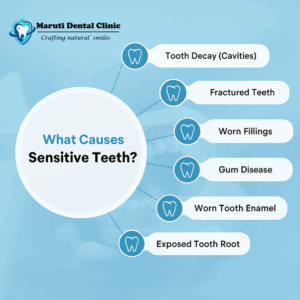
- Worn Tooth Enamel
Enamel is the protective outer layer of your teeth. Over time, enamel can wear down due to:
- Aggressive brushing with a hard-bristled toothbrush
- Acidic foods and beverages such as citrus fruits, soda, or wine
- Teeth grinding (bruxism) during sleep
- Age-related wear and tear
When the enamel wears away, it exposes the dentin underneath, making your teeth more sensitive.
- Gum Recession
Your gums protect the roots of your teeth, which do not have enamel. If your gums begin to recede due to periodontal disease or improper brushing techniques, it can expose the sensitive tooth roots, leading to pain and discomfort.
A cavity can erode the enamel and dentin, creating pathways for heat, cold, and bacteria to irritate the tooth nerve. This results in sharp, localized tooth sensitivity.
- Cracked or Chipped Teeth
Cracks or chips in a tooth can expose the inner layers and cause sensitivity. Bacteria can also enter the crack and lead to inflammation or infection of the pulp, causing increased pain.
- Post-Dental Procedures
It’s not uncommon to experience sensitivity after procedures such as fillings, crowns, or teeth whitening. This type of sensitivity is typically temporary and should subside in a few days.
- Bruxism (Teeth Grinding)
Grinding your teeth puts excessive pressure on your enamel, wearing it down over time. This exposes the dentin and increases sensitivity, especially to cold temperatures.
- Plaque Build-Up
A thick layer of plaque on your teeth can erode enamel and cause sensitivity. Good oral hygiene is essential to prevent this build-up.
- Using Whitening Products
Whitening toothpaste or bleaching treatments can temporarily increase sensitivity. Many of these products contain peroxide-based ingredients that penetrate the enamel and irritate the tooth nerve.
How to Ease Tooth Sensitivity
Fortunately, tooth sensitivity relief is possible with the right care and treatment, both at home and with professional help. Here are some effective ways to reduce sensitivity and protect your teeth:
- Use a Desensitizing Toothpaste
Desensitizing toothpaste contains compounds like potassium nitrate or stannous fluoride that block the tubules in dentin and prevent sensitivity triggers from reaching the nerve.
Use it consistently for a few weeks to notice improvement.
- Switch to a Soft-Bristled Toothbrush
Hard bristles can erode enamel and damage gums. A soft-bristled toothbrush gently cleans your teeth without causing further wear. Be gentle and use circular motions when brushing.
- Improve Your Brushing Technique
Avoid vigorous back-and-forth brushing. Instead, use small, gentle circles and brush for at least two minutes twice daily.
Also, wait 30 minutes after consuming acidic foods or drinks before brushing to avoid brushing softened enamel.
- Avoid Acidic and Sugary Foods
Foods and drinks like soda, citrus fruits, vinegar, and sweets can erode enamel and worsen sensitivity. Try to minimize consumption and rinse your mouth with water afterward.
- Wear a Night Guard
If you grind your teeth at night, consider using a custom-fitted night guard. It cushions your teeth and prevents enamel wear caused by bruxism.
- Fluoride Treatments
Professional fluoride treatments at your dental clinic can strengthen enamel and reduce sensitivity. You can also use over-the-counter fluoride rinses at home for additional protection.
- Dental Bonding or Sealants
If the sensitivity is due to exposed tooth roots or worn enamel, your dentist may apply a bonding resin or sealant over the affected area to cover the exposed dentin.
- Maintain Regular Dental Check-Ups
Routine dental visits help detect and treat issues like gum disease, decay, or enamel erosion before they worsen. Your dentist can also recommend personalized solutions based on your condition.
When to See a Dentist
Tooth sensitivity is often manageable with at-home care, but you should consult a dentist if:
- The pain is severe or persistent
- Sensitivity affects only one tooth
- You have visible cracks or chips in your teeth
- You suspect a cavity or gum infection
These may be signs of a deeper issue that requires professional intervention.
Preventing Tooth Sensitivity: Long-Term Tips
Preventing tooth sensitivity is all about protecting your enamel and gums. Here are some long-term strategies:
- Brush twice daily with fluoride toothpaste
- Floss daily to remove plaque and prevent gum disease
- Limit acidic foods and beverages
- Use a straw for acidic drinks to minimize contact with teeth
- Don’t skip dental visits – schedule a check-up every 6 months
- Avoid overuse of whitening products
- Use mouthguards if you grind your teeth
Taking these proactive steps can help you avoid discomfort and preserve your smile for years to come.
Conclusion
Tooth sensitivity may seem like a minor issue, but it can significantly affect your quality of life if left unaddressed. Whether it’s caused by enamel erosion, gum recession, or other dental concerns, the good news is that there are many effective ways to manage and even prevent it.
By understanding the root causes and adopting smart oral care habits, you can achieve long-term tooth sensitivity relief, protect your teeth, and enjoy your favorite foods and drinks without pain.
If you’re dealing with persistent tooth sensitivity, don’t ignore it. Visit Maruti dental clinic for a thorough examination and personalized treatment plan. Relief is possible—with the right care and expert guidance.