Tooth decay is one of the most common dental issues affecting millions of people worldwide. It occurs when bacteria in the mouth produce acids that attack the tooth enamel, leading to cavities and other complications if left untreated. Fortunately, there are numerous effective solutions for tooth decay treatment that can help restore oral health and prevent further damage. In this blog, we will explore the best options available to ensure a healthy and bright smile.
Understanding Tooth Decay
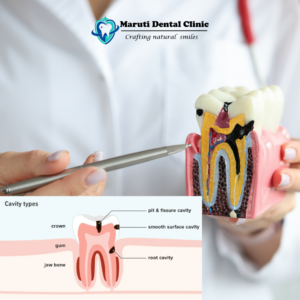
Tooth decay begins when plaque, a sticky film of bacteria, accumulates on the teeth. When sugars and starches from food interact with plaque, they produce acids that weaken the enamel. Over time, this can lead to cavities, tooth sensitivity, and even infections if the decay reaches deeper layers of the tooth.
Common Symptoms of Tooth Decay:
- Persistent toothache
- Sensitivity to hot, cold, or sweet foods
- Visible holes or pits in the teeth
- Dark spots on the tooth surface
- Bad breath or unpleasant taste in the mouth
- Swelling or pus around the affected tooth
- Pain while chewing
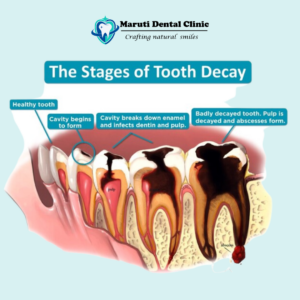
Tooth decay can progress through various stages, from early demineralization of the enamel to deep decay reaching the pulp. Early detection is crucial to prevent serious complications such as tooth loss or systemic infections.
Best Tooth Decay Treatment Options
Tooth Decay Treatment-1: Fluoride Treatment
Fluoride is a natural mineral that strengthens tooth enamel and helps reverse early stages of decay. Dentists often recommend fluoride treatments, which come in the form of gels, varnishes, or mouth rinses. Regular use of fluoride toothpaste also plays a significant role in preventing cavities. Fluoride treatments can be particularly beneficial for children, as their teeth are still developing and are more susceptible to decay.
Tooth Decay Treatment-2: Dental Fillings
When a cavity forms, a dental filling is one of the most common tooth decay treatment. The decayed portion of the tooth is removed, and the cavity is filled with materials such as composite resin, silver amalgam, or porcelain. This prevents further decay and restores the tooth’s functionality. Composite fillings are popular for their natural appearance, while amalgam fillings are known for their durability.
Tooth Decay Treatment-3: Root Canal Therapy
If decay reaches the inner pulp of the tooth, a root canal procedure is necessary to save the tooth. The infected pulp is removed, and the inside of the tooth is cleaned and sealed to prevent further infection. A crown is often placed over the tooth for additional protection. Root canal therapy not only relieves pain but also preserves the natural tooth structure, preventing the need for extraction.
Tooth Decay Treatment-4: Dental Crowns
When a tooth is severely decayed or weakened, a dental crown can provide extra strength and protection. Crowns are custom-made caps that cover the entire tooth, preventing further damage and improving its appearance. They can be made from materials such as porcelain, ceramic, or metal. Dental crowns are often used after a root canal procedure to restore the integrity of the tooth.
Tooth Decay Treatment-5: Tooth Extraction
In cases where tooth decay has caused extensive damage beyond repair, extraction may be the only option. While this is a last resort, extracted teeth can be replaced with dental implants, bridges, or dentures to restore oral function and aesthetics. Modern tooth replacement options offer natural-looking and durable solutions to maintain a healthy smile.
Tooth Decay Treatment-6: Laser Dentistry
Advancements in dental technology have introduced laser treatments for tooth decay. Laser dentistry allows for precise removal of decayed tissue while minimizing discomfort. This minimally invasive approach reduces the need for drilling and enhances patient comfort during treatment.
Preventing Tooth Decay
While tooth decay treatment is essential, prevention is always the best approach to maintaining oral health. Here are some effective strategies to keep your teeth healthy:
- Practice Good Oral Hygiene
Brushing your teeth at least twice a day with fluoride toothpaste and flossing daily helps remove plaque and food particles that contribute to decay. Using an antibacterial mouthwash can also help reduce bacteria in the mouth. Electric toothbrushes can provide more efficient plaque removal compared to manual brushing.
- Follow a Healthy Diet
Limiting sugar and starch food reduces the risk of cavities. Eating calcium-rich foods, fresh fruits, and vegetables helps strengthen teeth and gums. Drinking plenty of water also helps wash away food debris and bacteria. Foods rich in fiber, such as apples and carrots, stimulate saliva production, which naturally cleanses the mouth.
- Regular Dental Check-ups
Visiting dentist every six months for professional cleaning and check-ups ensures the initial detection and treatment of tooth decay before it gets worse. Professional cleaning removes tartar build -up that cannot be terminated through regular brushing and dental floss.
- Use Dental Sealants
Sealants are protective coatings applied to the chewing surfaces of molars to prevent plaque buildup in deep grooves. They are particularly beneficial for children but can also be used for adults at risk of cavities. Sealants provide an extra layer of protection against decay and can last for several years with proper care.
- Avoid Harmful Habits
Chewing on hard objects, using teeth as tools, and smoking can contribute to tooth decay and other dental issues. Avoiding these habits helps maintain strong and healthy teeth. Tobacco use is a significant risk factor for gum disease and oral infections, making it essential to quit smoking for optimal oral health.
- Chew Sugar-Free Gum
Chewing sugar -free gums can stimulate saliva production, which helps to neutralize acid and wash food particles. A common component of Sugar-free gums is shown to reduce the bacteria, causing cavities.
- Consider Probiotic Supplements
Recent studies suggest that probiotics may contribute to oral health by promoting beneficial bacteria that reduce harmful microbes in the mouth. Including probiotic-rich foods such as yogurt or taking probiotic supplements may help maintain a balanced oral microbiome.
Conclusion:
Tooth decay treatment is important for preserving your smile and overall oral health. From fluoride applications to root canal and dental crowns, diverse effective treatments can deal with specific ranges of tooth decay. However, prevention remains the best strategy to avoid the need for extensive dental procedures. By practicing good oral hygiene, eating a balanced diet, and visiting your dentist regularly, you can enjoy a lifetime of healthy teeth and a confident smile. If you suspect tooth decay, consult Maruti dental clinic to prevent further complications and maintain optimal oral health. With the right treatment and preventive measures, you can protect your teeth and enjoy a beautiful, cavity-free smile for years to come.