Plaque in teeth is a common yet serious dental issue that affects oral health. If left untreated, plaque can lead to cavities, gum disease, and other complications. Maintaining good oral hygiene and understanding plaque formation is essential for keeping your teeth and gums healthy. In this blog, we will explore the causes, dangers, and effective removal tips for plaque in teeth.
What is Plaque in Teeth?
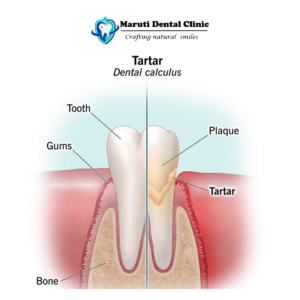
Plaque is a sticky, colorless or pale-yellow biofilm that continuously forms on your teeth. It is made up of bacteria, food particles, and saliva. When you eat sugary or starchy foods, the bacteria in plaque produce acids that attack the tooth enamel, leading to decay and gum disease. If plaque is not removed regularly through brushing and flossing, it hardens into tartar, which can only be removed by a dentist.
Difference Between Plaque & Tartar
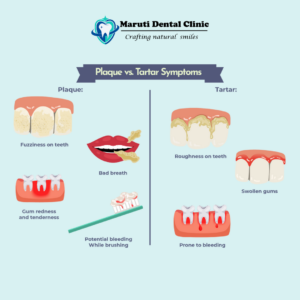
Many people confuse plaque and tartar, but they are not the same. Here’s how they differ:
- Formation: Plaque is a soft, sticky film of bacteria that forms on teeth, while tartar is hardened plaque that has calcified over time.
- Texture: Plaque is soft and can be removed with brushing and flossing, whereas tartar is hard and requires professional cleaning.
- Color: Plaque is colorless or pale yellow, while tartar appears yellowish or brownish.
- Removal: Plaque can be removed at home with proper oral hygiene, but tartar needs professional dental treatment.
- Effects on Oral Health: Plaque in teeth leads to cavities and gum disease, while tartar increases the risk of severe gum disease and tooth loss.
- Place: The plaque is formed on the teeth, gums and tongue, while the tartar is mainly found with the gums and between the teeth.
- Prevention: Regular brushing, dental floss and mouthwash help to prevent plaque, while tartar prevention requires strict oral hygiene and professional cleaning.
The plaque is the first phase of the tartar. If it is not removed in time, it becomes hardened and becomes more difficult to remove it, causing severe oral health problems.
Causes of Plaque in Teeth
Several factors contribute to plaque buildup:
- Poor Oral Hygiene – Irregular brushing and dental flossing allows plaque to accumulate.
- Food with sugar and starch – sugar feeds harmful bacteria, leading to a plaque.
- Deficiency of Saliva Production – Dry mouth conditions can increase plaque risk.
- Smoking & Tobacco Use – These habits contribute to plaque and gum disease.
- Irregular Dental Check-ups – Skipping dentist visits allows plaque to turn into tartar.
Dangers of Plaque Buildup
If the plaque is not removed, it can give rise to serious dental problems, including:
- Tooth Decay – The acids in plaque erode enamel, causing cavities.
- Gum Disease (Gingivitis & Periodontitis) – Plaque causes inflammation, bleeding, and gum.
- Bad Breath – Accumulated bacteria produce foul-smelling gases.
- Loss of Teeth – Advanced gum disease due to plaque can result in tooth loss.
- Heart Disease & Other Health Problem – Studies suggest a link between oral bacteria and heart diseases.
How Can I Remove Plaque from My Teeth?
It is necessary to remove the plaque to maintain good oral health. Here are some effective ways to remove the plaque in teeth:
1. Brush Your Teeth Twice a Day
Use a fluoride toothpaste and a soft bristled toothbrush to brush for at least two minutes each morning and night.
Brushing Tips:
- Use soft, circular movements to clean all surfaces of the teeth.
- Brush with gum line to prevent gum disease.
- Replace your toothbrush every 3–4 months.
2. Floss Daily
Brushing alone cannot remove the plaque from the teeth. Flossing helps eliminate hidden plaques and food particles.
Flossing Tips:
- Use about 18 inches of floss wrapped around your fingers.
- Slowly push the floss between each tooth and curve it around the base.
- Avoid snapping the floss as it can harm the gums.
3. Use Antibacterial Mouthwash
Mouthwash containing chlorhexidine or fluoride helps reduce the plaque build-up and bad breath.
4. Eat Healthy Diet
- Avoid sugary and processed foods.
- Eat crunchy fruits & vegetables like apples and carrots to clean teeth naturally.
- Drink plenty of water to rinse away food particles and bacteria.
5. Avoid Smoking & Tobacco
Smoking leads to plaque buildup and increases the risk of gum disease and oral infections.
6. Professional Dental Cleaning
Even with good oral hygiene, professional cleaning is essential to remove hardened plaque (tartar). Our Clinic offers:
- Scaling and Polishing – Removes tartar and polish the teeth for a clean, even finish.
- Laser Cleaning – A painless procedure for eliminating plaque and bacteria.
- Fluoride Treatments – Strengthens the enamel and reduces plaque formation.
Is Plaque Removal Painful?
Many people worry about pain while removing plaque in teeth, but in most cases, it is not painful.
- Brushing and Dental Floss-No pain before provoking the gums or sensitive teeth.
- Mouthwash Use – Some antiseptic mouthwashes may cause slight tingling but are not painful.
- Professional Cleaning (Scaling & Polishing) – May have some discomfort if you have a sensitive tooth or severe plaque build -up, but the process is usually painless.
- Laser Cleaning – A modern, painless method for removing plaque and tartar.
Preventing Plaque Buildup
To maintain a plaque-free smile, follow these preventive measures:
- Brush & floss regularly.
- Eat a balanced diet rich in fiber, calcium, and vitamins.
- Visit your dentist every six months for a check-up and cleaning.
- Use a tongue scraper to remove bacteria from the tongue.
Conclusion
Plaque in teeth is a common problem, but with the right oral care routine, it can be easily managed. Brushing, flossing, mouthwash use, and regular dental visits are key to plaque-free, healthy teeth. If you’re struggling with plaque buildup, schedule a consultation with Maruti Dental Clinic today for expert care and treatment.
Book Your Appointment Now! 🚀