Many people put off dental procedures, especially when they hear the word “root canal“. It is often associated with pain and discomfort – but reality is quite the opposite. A root canal treatment is an important tooth process designed to relieve pain, not the reason for this. Delaying it can cause severe oral health problems that go far beyond a simple toothache.
Read this blog, we will explain why postponement of root channel treatment can be a mistake, how the process works and what benefits it provides when done immediately.

What Is a Root Canal Treatment?
A root canal treatment is a dental procedure used to treat infection or inflammation inside the pulp of a tooth. The pulp is a soft tissue inside the teeth with nerves and blood vessels. When infected due to decay, trauma or repeated dental procedures, it causes severe pain and sensitivity.
During a root canal, the infected pulp is removed, the inner part of the tooth is cleaned and disinfected, and then it is sealed to prevent further damage. Treated teeth are usually covered with a crown for added strength and functionality.
Signs You Might Need a Root Canal
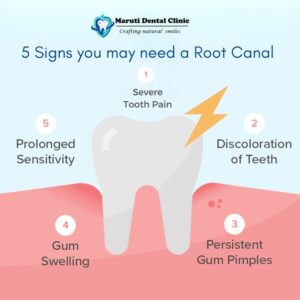
Delaying treatment often stems from not knowing whether the pain or discomfort you feel is serious. Here are some clear signs that you may need a root canal treatment:
- Persistent toothache, especially when chewing or applying pressure
- Sensitivity to hot or cold that lingers after the source is removed
- Swollen or tender gums near a specific tooth
- Darkening or discoloration of the tooth
- A recurring pimple or boil on the gums (abscess)
If you’re experiencing any of these symptoms, it’s essential to consult your dentist as soon as possible. The longer you wait, the worse the condition can get.
What Happens If You Delay a Root Canal?
Delaying a root canal treatment may seem harmless at first — especially if the pain comes and goes. However, untreated tooth infections can escalate quickly and lead to serious consequences, including:
- Worsening Infection
When bacteria infect your tooth pulp, the infection can spread to the surrounding tissue over the roots of the teeth. This can cause dental abscess, bone loss around the tooth or even systemic infections affecting other areas of the body.
- Tooth Loss
One of the biggest risks of delaying a root canal is losing the tooth altogether. When the infection spreads and causes damage to the structure of the tooth, extraction can be the only option. This not only impacts your smile but can lead to shifting teeth and bite issues.
- Severe Pain and Swelling
As the infection worsens, the pain becomes more intense and can even spread to the jaw, ear, or neck. You may also experience swelling that affects your ability to eat, sleep, or speak comfortably.
- Costly Dental Repairs Later
The longer you delay, the more complex the treatment becomes. What could have been a straightforward root canal treatment may turn into an extraction, bone graft, and dental implant — all of which are more expensive and time-consuming than a root canal.
- Impact on Overall Health
Oral infections can affect your overall health. Bacteria from the infected tooth can enter the bloodstream, potentially leading to serious conditions like sepsis, cardiovascular problems, or complications for individuals with diabetes or weakened immune systems.
Why You Shouldn’t Fear a Root Canal
The idea that root canals are painful is outdated. Thanks to modern technology and anesthesia, the procedure is usually no more uncomfortable than getting a dental filling.
Here’s what you can expect:
- Local anesthesia ensures you won’t feel pain during the procedure
- The treatment typically takes 1–2 visits depending on the severity
- Post-treatment discomfort is mild and manageable with over-the-counter medication
- The success rate is over 95%, and most treated teeth last a lifetime with proper care
Benefits of Timely Root Canal Treatment
Choosing to undergo a root canal treatment without delay offers several advantages for both your oral health and overall well-being:
- Pain Relief
One of the most important measures of the root canal is to eliminate the pain caused by infection or inflammation. Most patients feel a significant improvement immediately after the procedure.
- Tooth Preservation
A root canal lets you save your natural tooth instead of losing for extraction. Keeping the original teeth helps you maintain proper chewing, natural appearance and jaw integrity.
- Improved Oral Health
Removing infection prevents it from spreading to other teeth and gums. It also reduces the risk of future dental problems in the surrounding areas.
- Aesthetic Restoration
After a root filling, your dentist will do a crown or restoration that matches your natural teeth. It improves your smile and strengthens the treated tooth.
- Cost-Effective in the Long Run
While a root canal may seem costly upfront, it’s far less expensive than replacing a missing tooth with implants or bridges due to delayed treatment.
Aftercare: What to Do Post-Treatment
To get the most from your root canal treatment, follow your dentist’s aftercare instructions carefully:
- Avoid chewing on the treated side until the crown is placed
- Maintain good oral hygiene by brushing and flossing regularly
- Attend follow-up visits to ensure proper healing
- Contact your dentist if you experience unusual pain or swelling
With proper care, your restored tooth can function like a natural tooth for many years to come.
Common Myths About Root Canal Treatment
Let’s clear up a few common misconceptions:
Myth 1: Root canals are painful.
Fact: The procedure relieves pain, and modern techniques make it nearly painless.
Myth 2: Extraction is better than a root canal.
Fact: Saving your natural tooth is often the best option for long-term oral health.
Myth 3: Root canals cause illness.
Fact: This outdated myth has been debunked. Root canals are safe and effective.
When to See a Dentist
Don’t wait until the pain becomes unbearable. At the first sign of trouble — lingering sensitivity, tooth discoloration, or persistent aches — book an appointment with your dentist. Early intervention can prevent complications and help preserve your natural smile.
Final Thoughts
Delay in root channel treatment can lead to serious consequences, from impairing pain and infection to tooth loss and high costs down the line. Despite its reputation, a root canal is a safe, effective and relatively comfortable process that restores health and function to your smile.
If you suspect you may need root canal treatment, do not ignore the signs. Contact your dentist for a proper diagnosis and timely care. Remember that it is always worth saving your natural teeth – and acting now can spare you a lot of trouble in the future.