Losing a tooth can impact not only your smile but also your overall oral health and confidence. Thankfully, dental implants have revolutionized the way we replace missing teeth, offering a durable, natural-looking, and effective solution. If you’re considering dental implants but want to understand what’s involved, this comprehensive guide will walk you through everything you need to know — from the dental implant procedure to the numerous benefits of dental implants, along with aftercare tips and cost considerations.
What Are Dental Implants?
Dental implants are artificial tooth roots, typically made from biocompatible titanium, which are surgically inserted into your jawbone. They act as sturdy anchors for replacement teeth such as crowns, bridges, or dentures. Unlike traditional dentures or bridges, which rest on the gums or rely on neighboring teeth for support, dental implants fuse with your jawbone through a natural process called osseointegration. This fusion creates a solid foundation that functions and feels like your natural teeth.

Who Is a Good Candidate for Dental Implants?
Most healthy adults can be good candidates for dental implants, but certain factors must be considered to ensure a successful outcome. Your dentist will evaluate:
- Bone Density and Volume: Adequate jawbone is necessary to securely anchor the implant. In cases of bone loss, bone grafting procedures might be recommended.
- Gum Health: Healthy gums free from periodontal disease are crucial for implant success.
- General Health: Conditions like uncontrolled diabetes or immune disorders can affect healing. Smoking can also increase the risk of implant failure.
- Oral Hygiene: A commitment to maintaining good oral hygiene and regular dental visits is essential.
Advanced imaging techniques like 3D cone-beam CT scans help your dentist plan the dental implant procedure with precision.
Understanding the Dental Implant Procedure
The dental implant procedure is usually completed in multiple phases and can take several months from start to finish. Here’s a detailed look at each stage:
- Initial Consultation and Assessment
Your journey begins with a thorough dental examination. This includes reviewing your medical history, examining your mouth, taking X-rays or 3D scans, and discussing your expectations. A personalized treatment plan is then created, outlining the steps, timeline, and costs.
- Tooth Extraction (If required)
If you have a damaged or infected tooth that needs replacement, your dentist may extract it before implant placement. After extraction, some healing time is necessary to allow the bone and gum tissue to recover.
- Bone Grafting (If needed)
In cases where there isn’t enough jawbone to support the implant, bone grafting might be performed. This involves adding bone material to build up the jawbone, creating a stable base for the implant. Healing after grafting can take several months.
- Placement of the Dental Implant
Once the site is ready, the implant, a small titanium post, is surgically inserted into the jawbone under local anesthesia or sedation. This is a precise procedure designed to position the implant for optimal stability.
- Osseointegration (Healing Phase)
After implant placement, the bone begins to grow around the implant, anchoring it firmly in place. This natural process, called osseointegration, typically takes 3 to 6 months. During this time, temporary teeth can be worn if needed.
- Abutment Attachment
Once osseointegration is complete, the dentist attaches an abutment — a small connector that will hold the replacement tooth — to the implant. Sometimes this requires a minor surgical procedure to expose the implant.
- Placement of the Dental Crown
Finally, a custom-made dental crown is securely fixed to the abutment. These crowns are crafted to match your natural teeth in colour, shape, and size, restoring your smile’s appearance and function.
Types of Dental Implants
Depending on your specific case, there are different types of dental implants:
- Endosteal Implants: The most common, placed directly into the jawbone.
- Subperiosteal Implants: Placed under the gum but on or above the jawbone, often used for patients with insufficient bone height.
- Zygomatic Implants: Anchored in the cheekbone, used in cases of severe bone loss in the upper jaw.
Your dentist will recommend the best type based on your oral anatomy and needs.
Benefits of Dental Implants
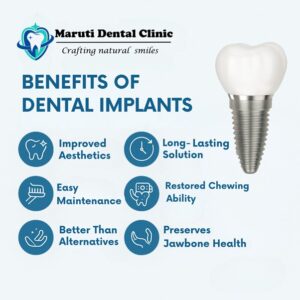
Dental implants offer numerous advantages over traditional tooth replacement options, making them the preferred choice for many patients. Here’s a deeper dive into the key benefits of dental implants:
- Natural Look and Feel
Because implants fuse with your jawbone, they function just like your natural teeth. They allow you to chew, speak, and smile confidently without discomfort or fear of slipping like dentures.
- Longevity and Durability
With proper care, dental implants can last a lifetime. Their titanium structure is highly resistant to decay and damage, unlike natural teeth which may be prone to cavities or wear over time.
- Bone Health Preservation
When you lose a tooth, the underlying jawbone begins to shrink or resorb due to lack of stimulation. Dental implants provide the necessary stimulation to keep your jawbone healthy and strong, preventing the sunken facial appearance often associated with tooth loss.
- Protection of Adjacent Teeth
Unlike dental bridges that require grinding down adjacent healthy teeth for support, implants do not affect neighboring teeth. This helps preserve your natural tooth structure and maintains oral health.
- Improved Comfort and Convenience
Implants eliminate many inconveniences of dentures, such as the need for adhesives, slipping, and discomfort. They become a permanent part of your mouth, freeing you from maintenance hassles.
- Enhanced Self-Confidence
A full, healthy smile impacts your self-esteem and social life positively. Dental implants restore your smile’s aesthetics, helping you feel more confident.
Potential Risks and Considerations
While dental implants are highly successful, it’s important to be aware of potential risks:
- Infection at the Implant Site
- Nerve Damage causing numbness or pain
- Sinus Problems (for upper jaw implants)
- Implant Failure due to poor osseointegration or lifestyle factors
Choosing an experienced dental surgeon and following post-operative care instructions minimize these risks.
How to Care for Your Dental Implants
Maintaining your implants is crucial for their longevity. Here’s how to care for them:
- Brush twice daily using a soft-bristle toothbrush
- Floss daily, including around the implant area
- Use antibacterial mouthwash if recommended
- Avoid hard or sticky foods that can damage crowns
- Schedule regular dental check-ups for professional cleaning and monitoring
Cost of Dental Implants
The cost of dental implants varies depending on several factors including:
- Number of implants needed
- Type of restoration (crown, bridge, denture)
- Bone grafting or additional procedures required
- Geographic location and dental clinic
While implants have a higher upfront cost compared to dentures or bridges, their durability and functional benefits often make them more cost-effective in the long run.
Final Thoughts
Dental implants offer a modern, reliable, and aesthetically pleasing solution to tooth loss. Understanding the dental implant procedure and appreciating the benefits of dental implants can empower you to make an informed decision about your oral health. If you’re considering dental implants, consult with a qualified dental professional who can guide you through the process and tailor a treatment plan that suits your unique needs.