Bruxism, commonly known as teeth grinding or clenching, is a condition that affects millions of people worldwide. While occasional teeth grinding may not cause serious problems, frequent or severe bruxism can lead to chronic headaches, jaw pain, worn-down teeth, and even long-term damage to the temporomandibular joint (TMJ). The good news is that effective treatments for bruxism are available, ranging from self-care techniques to advanced medical interventions. Understanding the causes and the right treatment approach can help prevent complications and improve overall oral health.
In this blog, we will explore the best treatments for bruxism, practical lifestyle changes, and professional options that can help you stop teeth grinding effectively.
Understanding Bruxism
Before diving into treatment options, it’s important to understand what bruxism is and why it occurs. Bruxism can happen during the day (awake bruxism) or at night (sleep bruxism).
Common causes include:
- Stress and anxiety: Emotional tension is a leading cause.
- Sleep disorders: Sleep apnea, snoring, and other disruptions can contribute.
- Malocclusion: Misaligned teeth may encourage grinding.
- Medications and habits: Certain drugs, smoking, or excessive caffeine can worsen the condition.
Identifying the root cause helps in choosing the most effective treatments for bruxism.
Symptoms of Bruxism
Many people are unaware they grind their teeth until symptoms appear. Key indicators include:
- Flattened, chipped, or fractured teeth
- Increased tooth sensitivity
- Jaw pain or tightness in the facial muscles
- Headaches, especially in the morning
- Earaches without ear infection
- Disrupted sleep patterns
If you notice these signs, consulting a dentist is crucial to prevent further damage.
Best Treatments for Bruxism
-
Custom Night Guards and Splints
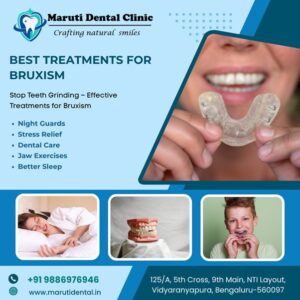
One of the most common treatments for bruxism is wearing a custom-made night guard or splint. These dental devices act as a protective barrier between the upper and lower teeth, reducing the wear and tear caused by grinding.
- Benefits: Prevents tooth damage, alleviates jaw pressure, and improves sleep quality.
- Drawback: Doesn’t stop grinding but minimizes its harmful effects.
Night guards are especially useful for sleep bruxism and can be tailored to fit your mouth comfortably.
-
Stress Management and Relaxation Techniques
Since stress is one of the primary triggers of bruxism, managing it effectively can significantly reduce grinding. Techniques include:
- Meditation and deep breathing to calm the mind.
- Yoga and stretching to release muscle tension.
- Counselling or therapy for underlying anxiety.
These methods not only help in reducing bruxism but also improve overall mental health. Incorporating relaxation practices into daily life is one of the most natural treatments for bruxism.
-
Behavioral Therapy
Awareness plays a big role in reducing teeth grinding. For people with awake bruxism, behavioral therapy helps identify triggers and retrains muscle movements. A therapist may teach exercises to relax the jaw, maintain proper tongue posture, and break the habit of clenching during stressful moments.
This approach is often combined with other treatments for bruxism for more lasting results.
-
Dental Corrections (Orthodontic Treatment)
Sometimes, bruxism is linked to an improper bite or crooked teeth. In such cases, dentists may recommend orthodontic solutions such as braces, aligners, or reshaping high spots on teeth.
Correcting bite alignment not only improves the smile but also reduces the mechanical stress that encourages grinding. This makes orthodontic care one of the structural treatments for bruxism when malocclusion is a major factor.
-
Medications
Although not always the first choice, certain medications can help manage bruxism:
- Muscle relaxants before bedtime to reduce jaw contractions.
- Anti-anxiety drugs if stress and anxiety are severe triggers.
- Botox injections in the jaw muscles, which have shown effectiveness in reducing clenching.
However, medication-based treatments for bruxism are typically used for short-term relief or in severe cases, as long-term dependence is not ideal.
-
Physical Therapy and Jaw Exercises
For people experiencing jaw stiffness and pain, physical therapy can be a valuable option. Therapists may recommend:
- Stretching exercises to loosen tight jaw muscles.
- Massage therapy to relieve facial tension.
- Hot and cold compresses to reduce inflammation.
These therapies not only ease discomfort but also retrain the jaw to rest in a more relaxed position. Physical therapy is a holistic approach to treatments for bruxism, especially when pain is a major concern.
-
Lifestyle and Habit Changes
Making small adjustments in daily habits can go a long way in reducing bruxism:
- Limit caffeine and alcohol, as they stimulate the nervous system and worsen grinding.
- Quit smoking, since nicotine heightens muscle activity.
- Avoid chewing gum or biting on pens, which conditions the jaw for clenching.
- Maintain proper sleep hygiene to ensure restful nights.
These lifestyle modifications are simple yet powerful treatments for bruxism when practiced consistently.
-
Managing Sleep Disorders
Since bruxism is often associated with sleep apnea and snoring, addressing sleep problems can reduce grinding. Sleep studies may help diagnose underlying conditions, and treatments like CPAP therapy (for apnea) can improve both sleep and bruxism symptoms.
For patients with sleep-related issues, tackling these disorders becomes one of the most effective treatments for bruxism.
-
Nutritional Support and Supplements
Some research suggests that deficiencies in magnesium and vitamin D may contribute to muscle cramps and jaw tension. Including a balanced diet or supplements under professional guidance can improve overall muscle relaxation. While not a standalone cure, nutritional support works well as part of combined treatments for bruxism.
Preventing Complications of Bruxism
Without timely treatment, bruxism can lead to serious complications such as:
- Tooth fractures or loss
- TMJ disorders
- Chronic migraines
- Gum recession
By adopting the right treatments for bruxism, you can prevent these long-term issues and maintain strong oral health.
When to See a Dentist
If you notice chipped teeth, persistent jaw pain, or disrupted sleep, consult a dentist immediately. Early intervention is key to preventing irreversible damage. Dentists can diagnose the severity of bruxism, recommend appropriate treatments for bruxism, and customize solutions based on your needs.
Combining Treatments for Maximum Effectiveness
In many cases, no single treatment provides a complete cure. Instead, a combination works best. For example:
- Using a night guard along with stress management techniques.
- Combining orthodontic corrections with physical therapy.
- Incorporating relaxation practices while addressing sleep disorders.
Such integrated approaches ensure long-term success in managing bruxism.
Final Thoughts
Bruxism may seem like a minor habit at first, but if left untreated, it can cause serious dental and health problems. Fortunately, a wide range of treatments for bruxism exists, from simple self-care practices and lifestyle changes to advanced medical and dental interventions. By identifying the underlying cause and adopting a holistic treatment plan, you can protect your teeth, reduce discomfort, and enjoy better sleep and overall well-being.
If you suspect you have bruxism, don’t ignore the signs. Consult Maruti dental clinic your dentist to discuss the most suitable treatments for bruxism for your specific condition. Early intervention can make all the difference in safeguarding your oral health.