Good oral hygiene is important to a healthy smile and general health. Brushing two times per day is helpful, but brushing can not completely eliminate food and plaque stuck between teeth. This is where awareness of Dental Floss Benefits will be significant. Dental floss can reach parts that the bristles of a toothbrush cannot, and that is why it is extremely important to use daily.
Most people feel that flossing is not important, but in fact around the globe dentists motivate their patients to floss a minimum of once daily. When you floss, the string reaches between your teeth to remove plaque and food particles stuck there, allowing bacteria to flourish, causing cavities, gum disease and bad breath. Knowledge of the advantages of dental floss might inspire people to improve their dental habits and protect oral health in the long run.
What Is Dental Floss?
Dental floss is a thin filament that can help remove plaque, bacteria and food from in between the tooth and gumline. There are several kinds such as waxed floss, unwaxed floss, flavored floss, dental tape and water-flossers.
Among the benefits of Dental Floss is getting into the spaces such as between your teeth where it normally gets dirty by bacteria. Flossing enhances brushing because it is able to clean more in the deeper space between teeth, resulting in healthier teeth and gums.
Why Flossing Is Important
Brushes are primarily used to remove debris from the outer, inner and chewing surfaces of all teeth. But they don’t get into those hard-to-reach spots between teeth. With time plaque build up in these places will cause cavities and periodontal disease.
The Dental Floss Benefits educating people on the impact of flossing is not optional but an important aspect of overall oral care. Flossing daily removes one of the harmful bacteria, improving overall hygiene in our mouths.
Advantages of Dental Floss For Gum Wellbeing
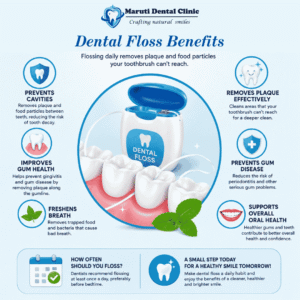
Healthy gums are the foundation of strong teeth. Plaque and food become stuck near the gumline which can serve to irritate the gums and cause inflammation. Flossing removes those particulates and decreases the potential for gum disease and whiten teeth.
Top Dental Floss Benefit : Preventing gingivitis, the very first stage of gum disease. Most of the symptoms such as bleeding gums or redness, swelling and tenderness can be easily controlled by forming good flossing habits.
Periodic flossing additionally prevents periodontitis, an intense gum illness that if untreated, might cause loose teeth.
Prevents Tooth Decay
Cavities first develop in places where bacteria and plaque are hidden along the surface of teeth, particularly between them. Plaque is a sticky film in which germs combine with sugars from foods and create acids that erode tooth enamel.
One of the major advantages that you get from Dental Floss is the prevention of cavities in tight spaces between your teeth. Flossing gets rid of food before bacteria have a chance to erode enamel and cause decay.
Flossing in combination with volumetric brushing and routine dental check-ups minimizes the formation of dental cavities.
Helps Eliminate Bad Breath
Halitosis, colloquially known as bad breath is for most of the time caused due to food getting stuck in our mouth and bacteria building up. Brushing regularly, bacteria that still exist between teeth can cause bad odor.
One of the noticeable Dental Floss Benefits is fresher breath. Flossing means getting rid of hidden dirt that would spread bacteria inside your mouth throughout the day; keeping it cleaner and fresher.
Daily flossers have also reported finding better confidence in conversations and social interactions.
Improves Overall Oral Hygiene
Flossing helps cleans up the areas where toothbrushes cannot reach. It prevents plaque from hardening into tartar that must be removed by a dental hygienist.
Long-term Dental Floss Benefits include cleaner teeth, healthier gums, and eliminate the high costs of dental treatments. Good flossing habits aid a generalized oral hygiene practice and can also add to an enticing smile.
Dental Floss Benefits for Children
Instilling child oral hygiene lessons and training kids to floss from an early stage sets a precedent for good habits that last a lifetime. Cavities are also common in kids because they may not brush their teeth completely.
Dental Floss Benefits Cavity prevention in children. Flossing: Parents should begin encouraging their children to floss once the teeth start touching each other.
Floss picks that are friendly to children, as well as other floss products with a great flavoring inside them, help ease the process of making kids learn how to floss their teeth.
Different Types of Dental Floss
Many have been effective but not all flossing options are equal to the same individual need.
1. Waxed Floss
As the name suggests, it slides right between tight teeth and sticks it to paper like nothing else.
2. Unwaxed Floss
It has a thinner profile that might fit into tighter spaces.
3. Dental Tape
Broader and flatter than traditional floss, ideal for bigger gaps.
4. Water Flossers
Floss between your teeth and out at the gum line with water pressure.
Selecting the optimal product boosts the efficiency of Dental Floss Benefits and enhances everyday oral hygiene.
Correct Way to Floss
Dental Floss Benefits can only be attained through proper flossing technique. If done incorrectly, flossing can be more damaging than effective, often injuring the gums.
Steps for Proper Flossing
- Use about 18 inches of
- Get most of that stuff wound around your
- Slide the floss chum between teeth
- Curve the floss in a “C” around each
- Move it up and down
Flossing every day only takes a couple of minutes but can provide you with lasting benefits to your oral health.
How Often Should You Floss?
The dentists recommend flossing at least once a day. Flossing at night is particularly advantageous because it helps remove food debris and plaque that have accumulated during the day.
Flossing on a regular basis will reap Dental Floss Benefits and help keep your teeth and gums healthier in the long run.
Common Mistakes While Flossing
Common Errors Include
- Snapping floss against gums
- Using insufficient floss
- Skipping back teeth
- Flossing too quickly
- Inconsistent flossing habits
Not making these mistakes results in better results, allowing you to enjoy all the Dental Floss Benefits.
Does Flossing Help Avoid Costly Tooth Treatments?
Yes, preventive oral care helps to lower dental treatment costs. Flossing reduces the chances of developing gum disease, cavity or infection that can lead to requiring fillings, root canals and extractions.
Saving money on future dental work by avoiding oral health issues before they escalate is just one of the great Dental Floss Benefits.
Dental Floss and Overall Health
Research shows that oral health is closely connected to overall health. Poor oral hygiene has been linked to conditions such as diabetes, heart disease, and respiratory infections.
Dental Floss Benefits also can Reduce bacteria and Improve gums which may contribute to improved general health and wellness.
Having a clean mouth may help to create a healthier body and may prevent oral bacteria from triggering inflammation.
Final Thoughts
However, oral hygiene is not just brushing. It is advised that you floss daily as it is crucial to warding off cavities, gum disease, bad breath, and plaque buildup.
Understanding Dental Floss Benefits helps people recognize the importance of complete dental care.
Whichever you pick, whether it be the out of date floss, choose string like, the floss picks or water flosser. Flossing can equally make both your mouth strong and your spirits high. When coupled with brushing and regular dental visits, flossing ensures a great smile for years to come.