What Is Dry Mouth?
Dry mouth, medically known as xerostomia, refers to a condition in which the salivary glands in your mouth don’t make enough saliva to keep your mouth wet. Saliva is essential in oral health as it rinses away food particles, neutralizes acids and helps prevent tooth decay and infections. Knowing dry mouth causes and treatments is important to safeguard prospective dental and overall health. Most people suffer from dry mouth sometimes, but if you suffer from it regularly or constantly, serious oral health problems could surface.
Common Dry Mouth Causes
What Causes Dry Mouth There are many causes of dry mouth. The cause helps determine the appropriate treatment.
- Medications
Many widely used drugs, including antihistamines, antidepressants, painkillers and blood pressure medications suppress saliva. Drug-induced dryness is one of the leading causes of dry mouth.
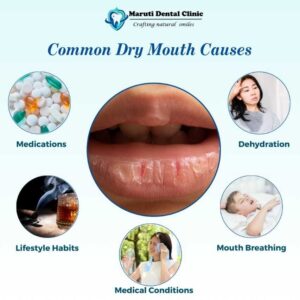
- Dehydration
Lack of drinking water, sweating too much, fever, vomiting or diarrhea can cause dry mouth.
- Medical Conditions
Diabetes, thyroid conditions, anxiety and depression can have an impact on how much saliva is produced.
- Lifestyle Habits
Dry mouth symptoms are made worse by smoking, tobacco use, alcohol and too much caffeine.
- Mouth Breathing
Mouth breathing while sleeping can cause your oral tissues to become dry. Knowing these dry mouth causes and treatments can help you prevent complications, such as cavities or gum disease.
Symptoms of Dry Mouth
Dry Mouth can manifest mild to severe symptoms such as:
- Dry mouth, or the mouth feels sticky
- Thick or stringy saliva
- Bad breath
- Difficulty chewing, swallowing, or speaking
- Chapped lips and corners of mouth
- Burning sensation on the tongue
- More tooth decay and gum disease
If left untreated, these are signs which can lead to worsened oral health, so treatment should be done early.
Health Risks of Untreated Dry Mouth
If not maintained, a dry mouth can result in:
- Rapid tooth decay
- Gum disease
- Oral infections like thrush
- Difficulty wearing dentures
- Indigestion resulting from low release of enzymes in saliva
That’s why knowing the causes of dry mouth and how to treat them is essential for a healthy mouth.
Dry Mouth Remedies (Effective Solutions)
The good news is, dry mouth can be treated with some simple remedies and professional services.
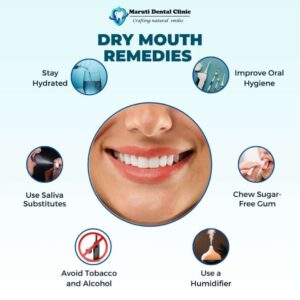
- Stay Hydrated: While you are reading or working, frequently drink water. Stay away from sweet and acidic beverages, which only aggravate dryness.
- Improve Oral Hygiene: Brush with fluoride toothpaste twice a day, and make flossing part of your routine. This lowers the decay risk attributed to low saliva.
- Use Saliva Substitutes: Artificial saliva in spray, gel or lozenge form can also moisten the mouth.
- Chew Sugar-Free Gum: Chewing gum naturally encourages saliva production, particularly xylitol containing products.
- Avoid Tobacco and Alcohol: Cigarette smoking, as well as alcohol, can dry the mouth even more and should be restricted.
- Use a Humidifier: Using a humidifier at night will add moisture to the air and help eliminate dry mouth while you’re sleeping.
These dry mouth causes and remedies may provide comfort and enhanced oral health when used on a regular basis.
Professional Treatment for Dry Mouth
Your dentist can be extremely helpful, If home treatments offer no help, then consult with a dentist about:
- Identifying medication-related dryness
- Prescribing saliva-stimulating medications
- Suggesting special toothpaste or mouth rinses
- Addressing that decay or gum problems caused by dry mouth
You can seek guidance and treatment by visiting a dentist who will diagnose your problem and recommend the best personalized treatment.
Ways Dental Care Can Contribute to Treating Dry Mouth
Dental practices treat patients with dry mouth effectively. Regular dental screenings can also catch early warning signs of tooth decay and gum disease, which are more likely due to decreased saliva. Learning these dry mouth causes and remedies are part of a professional management that is the only way to treat them effectively and safely.
Prevention Tips
- Drink water regularly
- Maintain excellent Oral hygiene
- Limit caffeine and sugary foods
- Manage underlying medical conditions
- Visit your dentist regularly
Easier to prevent dry mouth than manage the complications later.
What you get at Maruti Dental Clinic for Dry Mouth
At Maruti Dental Clinic, dry mouth is managed through a personalized approach focused on both relief and prevention. The dentist carefully identifies the underlying cause of the condition, prescribes medications when required, and offers advice on saliva substitutes, therapeutic mouth rinses, and preventive oral care solutions. Patients are given tailored oral hygiene instructions and continuous support to protect their teeth and gums from the effects of low saliva, helping maintain long-term oral health.
Conclusion
Dry mouth isn’t just uncomfortable if left untreated, it can harm your oral and general health. By learning about why dry mouth happens and ways to treat and prevent it, you can help moisten up and save your teeth and keep feeling and living great. Seek the advice of a dental professional if dry mouth persists as long-term solution and diagnosis are necessary.