A confident smile can completely transform the way you look and feel. Unfortunately, imperfections such as chipped, cracked, stained, or gapped teeth often hold people back from smiling freely. That’s where dental bonding comes in—a simple, quick, and cost-effective cosmetic procedure that can make your smile look flawless without the need for extensive treatments.
In this guide, we’ll explore what dental bonding is, how it works, its benefits, and why it’s one of the most popular cosmetic dentistry solutions for anyone seeking a beautiful, natural-looking smile.
What Is Dental Bonding?
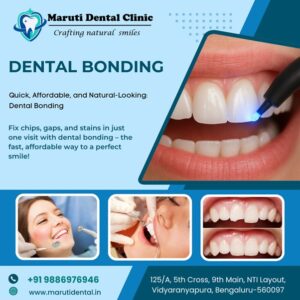
Dental bonding is a cosmetic dental procedure in which a tooth-colored composite resin material is applied to teeth to repair imperfections or improve their appearance. Unlike other cosmetic treatments, it is minimally invasive, requires little to no enamel removal, and can often be completed in a single dental visit.
Dentists use bonding to fix a variety of issues, such as:
• Chipped or cracked teeth
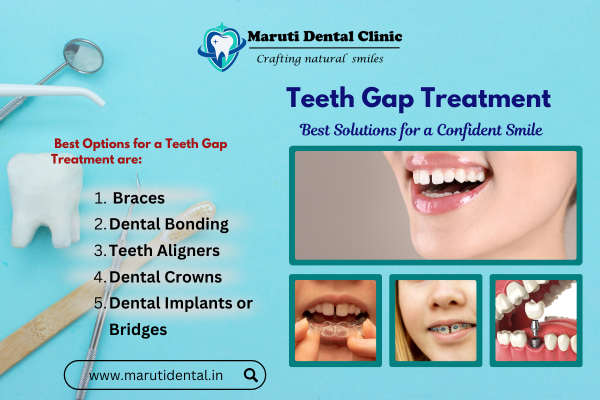
• Gaps between teeth
• Discolored or stained teeth
• Misshaped or uneven teeth
• Minor decay or damage
Because the material blends seamlessly with natural enamel, bonding provides a realistic and attractive result.
The Dental Bonding Procedure: Step by Step
One of the main advantages of dental bonding is that it’s simple and fast. Here’s what typically happens during the procedure
- Consultation & Planning – Your dentist examines your teeth, discusses your smile goals, and determines if bonding is the right solution.
- Shade Selection – The resin color is carefully chosen to match your natural tooth shade for a flawless look.
- Tooth Preparation – Minimal preparation is required. The dentist roughens the tooth surface slightly and applies a conditioning liquid to help the resin adhere.
- Application of Resin – The composite resin is applied, shaped, and molded to correct imperfections.
- Curing – A special light hardens the material, making it durable and strong.
- Polishing – The bonded tooth is polished until it looks natural and blends perfectly with the surrounding teeth.
Most bonding procedures take 30 to 60 minutes per tooth, and no anesthesia is required unless the bonding is being used to fill a cavity.
Benefits of Dental Bonding
Patients choose dental bonding because it offers several unique benefits compared to other cosmetic dental treatments:
1. Affordable Solution
Bonding is one of the most cost-effective cosmetic dental procedures. It provides a quick fix for imperfections without the higher cost of veneers or crowns.
2. Quick and Convenient
Since most procedures can be completed in one visit, you can walk out of the dental office with a brand-new smile the same day.
3. Minimally Invasive
Bonding requires little to no removal of natural enamel, making it a conservative option compared to veneers and crowns.
4. Natural Appearance
The resin material is matched to your natural tooth color, giving you a seamless and attractive result.
5. Versatile Treatment
From repairing chips and cracks to closing gaps and whitening stained teeth, dental bonding can address multiple issues at once.
Who Should Consider Dental Bonding?
Bonding is suitable for individuals who want to improve their smile without undergoing expensive or invasive procedures. You may be a good candidate if you have:
• Small chips or cracks in your teeth
• Gaps you’d like to close
• Mild discoloration not corrected by whitening
• Uneven or slightly misshaped teeth
However, bonding is not always ideal for severe cases of decay, major structural damage, or very large gaps. In such situations, your dentist may recommend veneers, crowns, or orthodontic treatment instead.
Dental Bonding vs Veneers: What’s the Difference?
Many patients wonder whether dental bonding or veneers are the better choice. While both enhance the appearance of teeth, they differ in several ways:
• Cost – Bonding is more affordable than veneers.
• Durability – Veneers typically last longer (10–15 years), while bonding lasts 4–8 years with proper care.
• Time – Bonding can be done in one visit, while veneers often require multiple visits.
• Enamel Removal – Veneers usually require enamel reduction; bonding requires little to none.
If you’re looking for a quick, budget-friendly fix, dental bonding is the best option. For long-lasting, highly stain-resistant results, veneers may be more suitable.
Caring for Your Dental Bonding
Although bonding is durable, it does require proper care to maintain its appearance and longevity. Here are some tips to make your bonding last longer:
• Practice good oral hygiene – Brush twice a day, floss daily, and visit your dentist regularly.
• Avoid biting hard objects – Ice, fingernails, and hard candies can chip the resin.
• Limit staining foods and drinks – Coffee, tea, red wine, and tobacco can discolor the bonding material.
• Schedule touch-ups when needed – Bonding may wear down or stain over time, but it can easily be repaired or replaced.
With proper care, dental bonding can last anywhere from 4 to 8 years, sometimes longer.
The Cost of Dental Bonding
The cost of dental bonding varies depending on the number of teeth being treated, the complexity of the case, and the dentist’s expertise. On average, bonding costs significantly less than veneers or crowns, making it a great choice for patients on a budget who still want cosmetic improvements.
Some dental insurance plans may cover bonding if it is being used for structural purposes (such as repairing a chipped or decayed tooth), but not if it is solely cosmetic. Always check with your provider for details.
Is Dental Bonding Right for You?
If you want a beautiful smile without investing a fortune or spending weeks in the dental chair, dental bonding could be the perfect solution. It’s quick, affordable, and effective for fixing a wide range of minor imperfections.
However, it’s important to consult with your dentist to determine if bonding is the right choice for your specific needs. For larger cosmetic concerns or long-term durability, you may want to explore alternatives like veneers or crowns.
Final Thoughts:
A stunning smile doesn’t always require complicated or expensive treatments. With dental bonding, you can correct chips, cracks, gaps, and discoloration in just one visit, at an affordable cost. This simple procedure has helped countless patients regain their confidence and achieve the perfect smile they’ve always wanted.
If you’re ready to transform your smile quickly and affordably, consult Maruti dental clinic about whether dental bonding is right for you. Sometimes, the smallest change can make the biggest difference in your appearance and confidence.