As a parent, your child’s health is always a top priority — and that includes their oral health. From the first baby tooth to the early days of braces, it’s important to be aware of the most common dental problems in children. Understanding what these issues are, why they occur, and how to prevent them can set the foundation for a lifetime of healthy smiles.
In this comprehensive guide, we’ll cover the most frequent dental problems in children, how they can affect your child’s overall health, and simple steps you can take to prevent them.
-
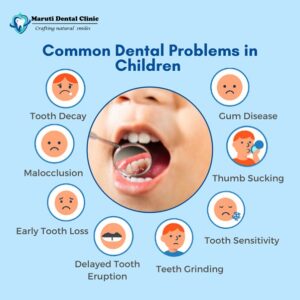
Tooth Decay (Cavities)
What It Is:
Tooth decay, also known as dental caries or cavities, is the most common dental problem in children worldwide. It happens when bacteria in the mouth feed on sugars and starches, producing acids that erode the enamel.
Why It Happens:
Children are particularly prone to cavities due to frequent snacking, sugary drinks, poor oral hygiene, and underdeveloped brushing skills.
Signs to Look For:
- White, brown, or black spots on teeth
- Tooth sensitivity
- Complaints of pain while eating or drinking
Prevention Tips:
- Encourage twice-daily brushing with fluoride toothpaste
- Limit sugary snacks and juices
- Ensure regular dental check-ups every 6 months
- Consider dental sealants for molars
-
Gum Disease (Gingivitis)
What It Is:
Gum disease, or gingivitis, is the inflammation of the gum tissue caused by plaque buildup. Though it’s more common in adults, it can affect children too.
Why It Happens:
Poor brushing habits, hormonal changes, and certain medical conditions can lead to gum disease in children.
Signs to Look For:
- Red, swollen, or bleeding gums
- Bad breath
- Receding gums
Prevention Tips:
- Teach proper brushing and flossing techniques
- Schedule regular dental cleanings
- Ensure your child stays hydrated and maintains a balanced diet
-
Thumb Sucking and Pacifier Use
What It Is:
Thumb sucking and pacifier use are normal for infants, but prolonged habits can lead to orthodontic problems such as misaligned teeth or bite issues.
Why It Happens:
These habits provide comfort and help young children self-soothe, but they can interfere with oral development if continued beyond age 4.
Signs to Look For:
- Changes in the alignment of teeth
- Protruding front teeth
- Speech problems
Prevention Tips:
- Encourage stopping by age 3-4
- Offer positive reinforcement when they avoid the habit
- Use orthodontic pacifiers or consult a pediatric dentist for guidance
What It Is:
Tooth sensitivity occurs when the enamel wears down, exposing the dentin underneath. Children may feel pain or discomfort when consuming hot, cold, or sweet foods and drinks.
Why It Happens:
Cavities, enamel erosion, cracked teeth, or receding gums can cause sensitivity.
Signs to Look For:
- Wincing while eating cold or hot items
- Avoiding certain foods
- Sudden toothaches
Prevention Tips:
- Use fluoride toothpaste for kids
- Avoid overly acidic foods and beverages
- Treat cavities promptly
- Ask your dentist about protective coatings
-
Teeth Grinding (Bruxism)
What It Is:
Teeth grinding or clenching often occurs during sleep. While many children outgrow it, it can lead to worn teeth and jaw problems if it continues.
Why It Happens:
Stress, misaligned teeth, or certain neurological conditions can trigger bruxism.
Signs to Look For:
- Complaints of jaw pain or headaches
- Flattened or chipped teeth
- Disrupted sleep
Prevention Tips:
- Monitor stress and anxiety levels
- Ensure a relaxing bedtime routine
- Talk to your dentist about a nightguard if needed
-
Delayed Tooth Eruption
What It Is:
Delayed eruption refers to when a child’s baby or permanent teeth don’t come in at the expected time.
Why It Happens:
It can be due to genetic factors, poor nutrition, or underlying health conditions.
Signs to Look For:
- No teeth appearing past the expected age
- Gaps where teeth should be
- Swelling or discomfort in the gums
Prevention Tips:
- Ensure your child receives proper nutrition
- Maintain regular dental visits to monitor tooth development
- Seek pediatric dental evaluation if teeth are delayed by more than 6 months
-
Early Tooth Loss
What It Is:
Sometimes children lose their baby teeth too early due to decay, trauma, or gum disease. This can affect the spacing of permanent teeth.
Why It Happens:
Inadequate oral care, falls, or untreated dental problems in children can lead to early tooth loss.
Signs to Look For:
- Missing baby teeth before age 5
- Shifting of nearby teeth
- Difficulty chewing or speaking
Prevention Tips:
- Treat cavities early
- Use mouthguards during sports
- Monitor falls or trauma and consult a dentist
-
Malocclusion (Misaligned Bite)
What It Is:
A malocclusion refers to misaligned teeth or bite issues that may require orthodontic intervention.
Why It Happens:
Genetics, thumb sucking, or early tooth loss may cause alignment problems.
Signs to Look For:
- Crooked teeth
- Difficulty biting or chewing
- Speech challenges
Prevention Tips:
- Reduce habits like thumb sucking early
- Monitor tooth development closely
- Visit an orthodontist around age 7 for an early evaluation
How to Prevent Dental Problems in Children – General Tips
Prevention is always better than cure. Here are some universal strategies to protect your child’s smile from the most common dental problems in children:
- Start Early
Begin dental care as soon as the first tooth erupts. Use a soft-bristled toothbrush and water or a rice-sized amount of fluoride toothpaste.
- Establish a Routine
Create a daily oral hygiene routine — brushing twice a day and flossing once. Make brushing fun with songs, apps, or reward charts.
- Watch the Diet
Limit sugar-laden snacks, soft drinks, and sticky candies. Offer fruits, veggies, and dairy products that strengthen teeth.
- Regular Dental Visits
Schedule the first dental visit by age one and continue every 6 months. Early visits help in detecting issues and building a positive relationship with the dentist.
- Fluoride and Sealants
Ask your dentist about fluoride treatments and dental sealants to protect against decay in hard-to-brush areas like molars.
When to See a Dentist
If your child complains of persistent pain, shows signs of decay, or you notice changes in their teeth or gums, don’t wait — consult a pediatric dentist. These professionals specialize in dental problems in children and can offer tailored care suited to your child’s age and needs.
Final Thoughts
Understanding the most common dental problems in children can empower you to take preventive action. From cavities and gum disease to misaligned bites and habits like thumb sucking, early intervention is key to healthy teeth and confident smiles.
By teaching good oral habits, scheduling regular check-ups, and being aware of warning signs, you can help your child grow up with strong, beautiful teeth. At Maruti Dental Clinic, we’re here to support your child’s dental journey with gentle, expert care every step of the way.